


Shape something unmistakably yours
Carving Tools for Furniture Makers
Sculpted detail. Lasting character.
Bring flowing curves, organic texture and a more comfortable feel to tables, chairs, cabinets, headboards and custom built-ins. Kutzall tools give furniture makers the control to shape wood beyond flat surfaces and straight edges.

Start with the shape
Choose a tool for the shape.
Start with the surface you want to shape: a sculpted seat, a curved edge, a small detail or a hollow. Match the tool below to your task and setup.
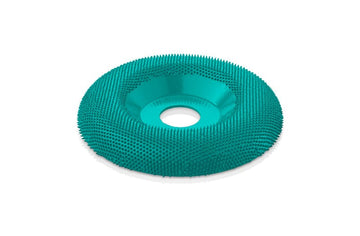
Shape seats + sweeping curves
4½″ wheel · Compatible angle grinders
Use the rounded Dish Wheel to hollow sculpted seats and shape broad, concave surfaces.
Explore the Dish Wheel
Refine the fit by hand
Hand tool · No power tool needed
Use the Half-Round Rasp’s curved and flat faces to refine profiles, ease edges and blend transitions.
Explore the Half-Round Rasp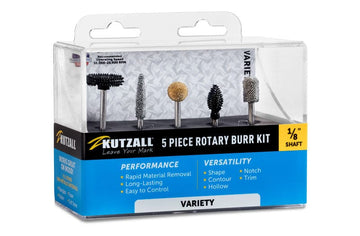
Carve smaller details
1/8″ shafts · Small rotary tools + flex shafts
Use five complementary burr shapes in mixed grades for smaller contours, grooves and decorative details.
Explore the 1/8″ Variety Kit
Round edges + carve hollows
2″ wheel · 1/4″ shaft adapter included
Use the 2-inch Contour Wheel for hollows and rounded profiles. Check the mounting requirements for your power tool.
Explore the Contour WheelCheck your setup
Match shaft or arbor size, mounting hardware and speed requirements to your power tool. The Contour Wheel includes a 1/4-inch shaft adapter; other mounting options may require a separate adapter.
Bring your next build to life
Tools for furniture makers
A focused selection for broad shaping, smaller details and final refinement. Open a product for grades, dimensions and fit.
Angle grinders · Check mounting + speed compatibility

4½″ Extreme Dish Wheel
For broad shaping and sculpted seats
1/8″ shaft
Small rotary tools

5-Piece Variety Kit
For detail work with compatible 1/8-inch rotary tools
1/4″ shaft adapter included
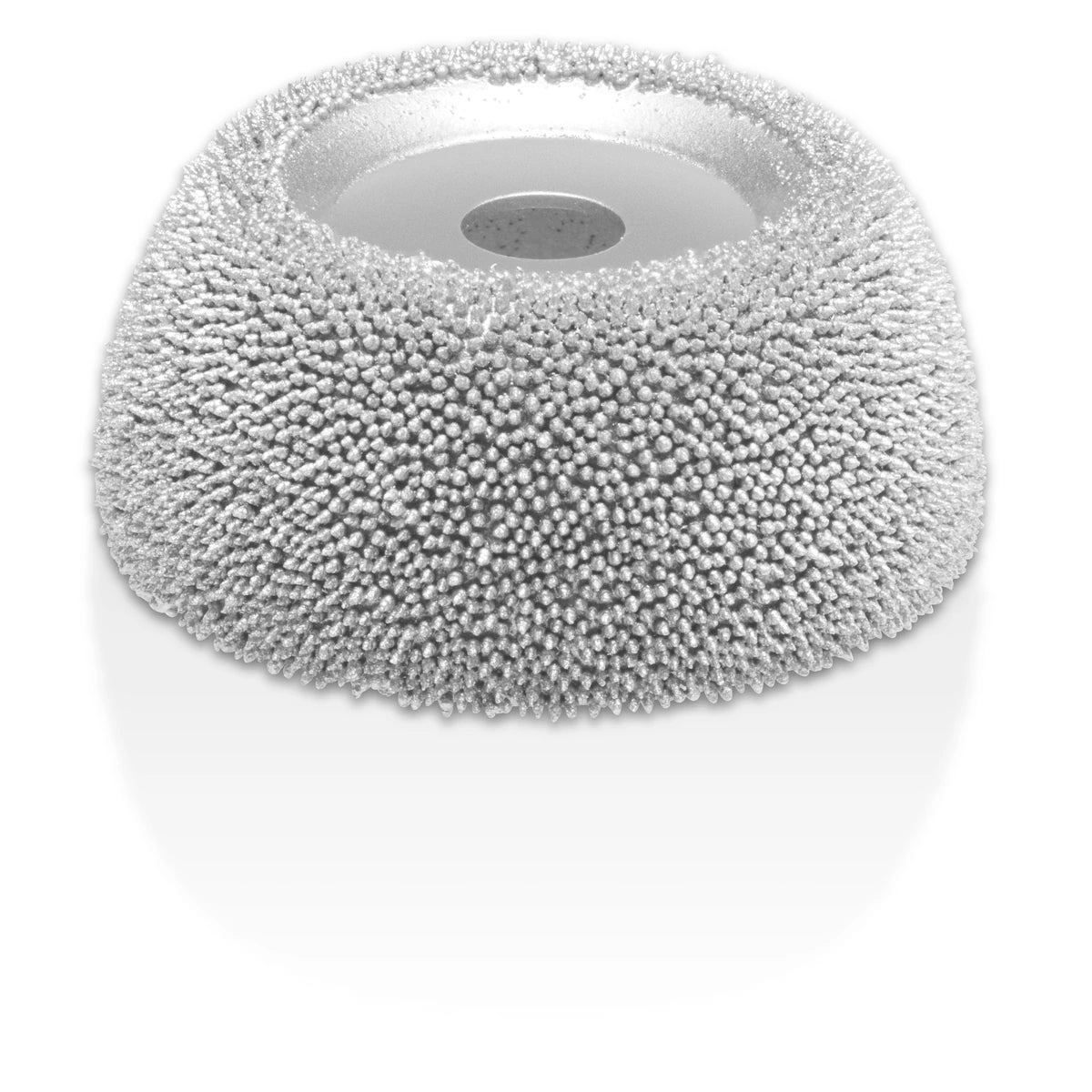
2″ Contour Wheel
For hollows and rounded profiles
1/4″ shaft
Die grinders + flex shafts

4-Piece Variety Kit
For varied shaping with compatible 1/4-inch tools
Made by the Kutzall community
Furniture with a point of view.
From sculptural seating to flowing table bases and textured surfaces, explore what other makers have brought to life.

Movement in the form
@spaidemade
A statement in wood
@baldassi
Texture that transforms
@greywoodworks
Color in every curve
Project & photography: @barousseworks
Comfort, shaped by hand
Project & photography: @boydandallisterSwipe to explore all 6 projects →
Look closer
Details you can see and feel.
Ease a chair’s curves for comfort, or carve texture into a cabinet front. Thoughtful shaping brings character to the surfaces you use every day.

Refine the curves
Project + photography: @jorybrigham_design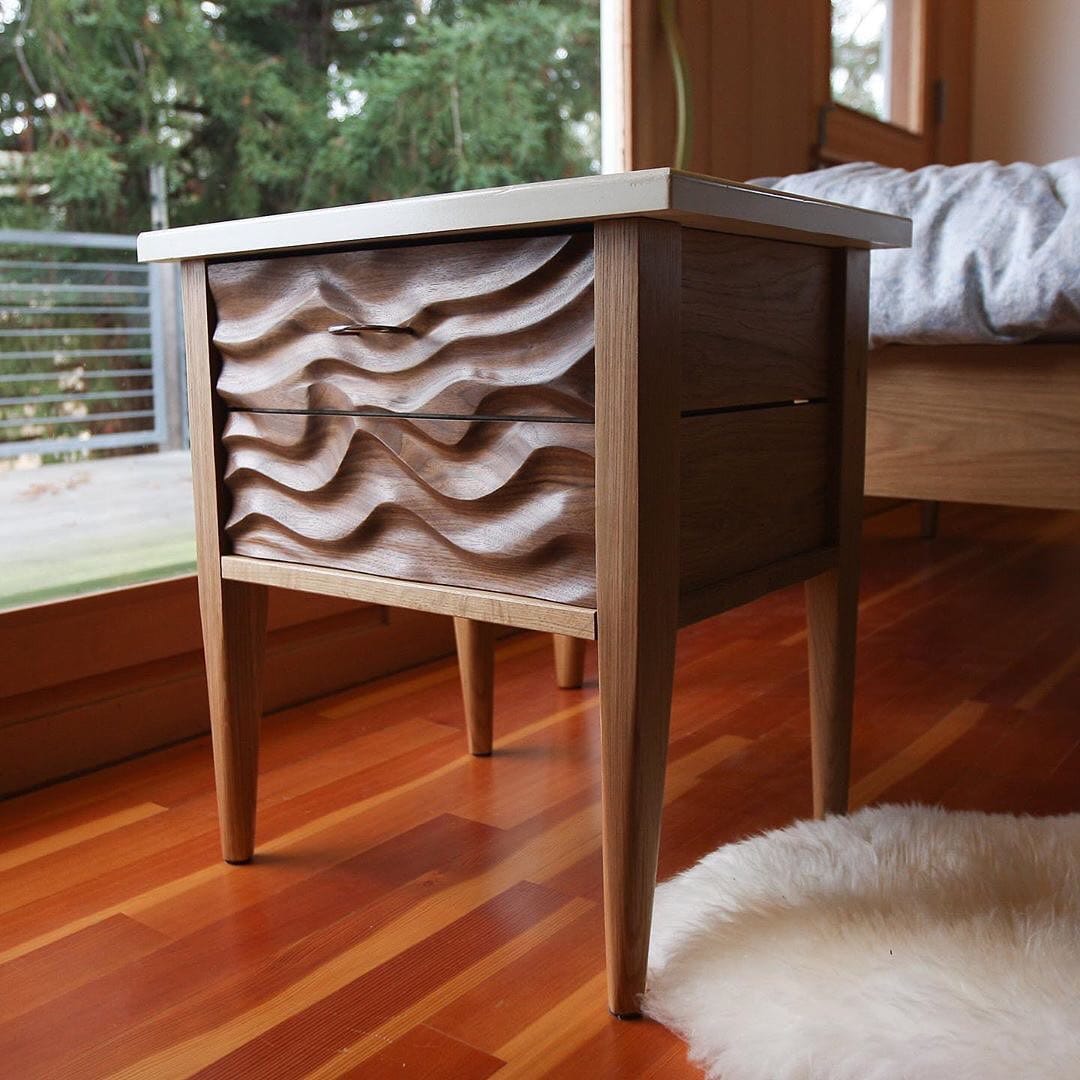
Give surfaces character
Project + photography: @morningworks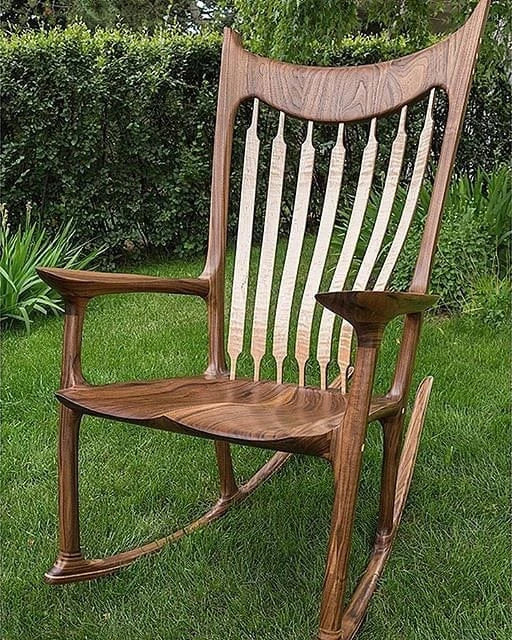
A natural next step
Shape for access. Refine for comfort.
After milling and joinery, shape individual parts while their edges and curves are easy to reach. Check the fit as you work, preserving the dimensions and strength your design needs.
After assembly, blend accessible transitions and refine the surfaces people touch. Finish with lighter passes, a finer tooth grade or a hand rasp, then sand to suit your chosen finish.
See what’s possible with Kutzall
Watch makers put their tools to work.
Furniture making, answered
Where does power carving fit into a furniture build?
Use it after your main milling and joinery to shape seats, soften edges, blend transitions or add decorative texture. It complements the accuracy of your saws, routers and hand tools while giving you more freedom to create organic forms.
Can I carve hardwood furniture?
Yes. Kutzall tools can shape hardwoods such as maple, walnut, oak, cherry and mahogany, as well as softwoods. Match the tool profile, size and tooth grade to the work, and test your approach on an offcut.
Will I still need to sand?
Yes, when your project calls for a smooth finish. Carve to establish the shape, refine it with a finer grade or hand rasp, then sand to suit your finish. Intentional carved texture can also be part of the design.
Which tool should I start with?
Choose a Shaping Wheel for broad surfaces, burrs for smaller details, a Contour Wheel for hollows and rounded profiles, or a Hand Rasp for manual refinement. Check the product page for compatible tools, mounting and speed requirements.
Is power carving only for decorative details?
No. Furniture makers also use it to shape comfortable seats and armrests, ease contact surfaces and blend joints and curves. It can improve how a piece feels as well as how it looks.
Does power carving replace traditional hand tools?
No. It complements them. Power carving speeds up shaping and opens up organic forms; hand tools and rasps remain useful for fitting, controlled refinement and finishing details.

